Dental Treatment Options
Explore dental treatment options across general, cosmetic and restorative care, with key differences, limitations and questions to discuss with a dentist.

General and Family Dentistry
General and family dentistry covers prevention, assessment and everyday care for children and adults, helping identify what needs attention and what can be monitored.

Prevention and Assessment
An examination can check teeth, gums, bite and existing dental work.
- X-rays may be suggested when needed, rather than at every visit.
- Daily cleaning and fluoride toothpaste support prevention. Ask about a suitable product and amount for a child.
Care Matched to the Person
A check-up does not automatically mean a procedure is needed.
- Cleaning (scaling) to remove plaque and tartar, further care or a specialist referral may be discussed.
- Review intervals depend on oral health and risk, rather than a fixed six-month rule.
Questions to Ask a Dentist
- Which concerns need attention now, and what can be monitored?
- What should I change in everyday cleaning?
- For my child, what support or preventive care is appropriate?
Cosmetic Dentistry
Cosmetic dentistry considers tooth colour and shape. Appearance and repair can overlap, but an assessment is needed to understand which options are suitable.
Options and Trade-Offs
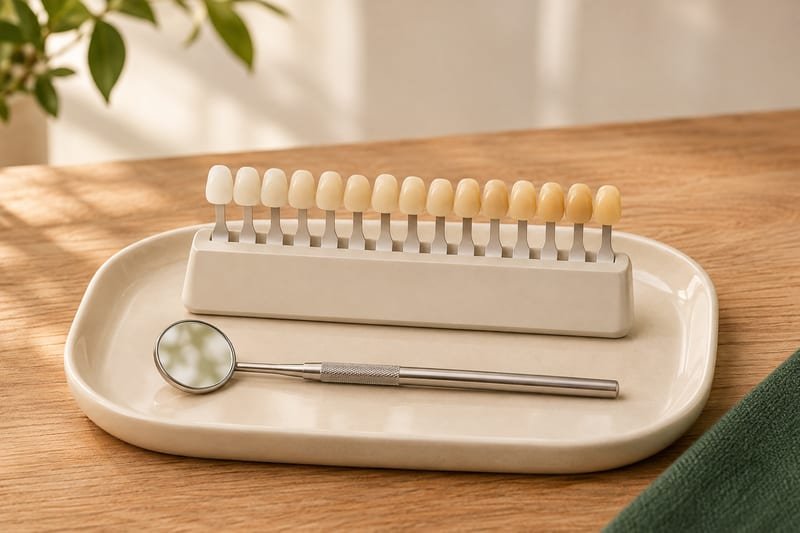
Whitening, bonding and veneers change teeth in different ways.
- Whitening lightens natural teeth, not crowns or other restorations.
- Whitening may cause sensitivity or gum irritation, and its effects are not permanent.
Health Before Appearance
Teeth and gums need assessment before cosmetic treatment.
- Some veneer preparations remove enamel; bonding adds tooth-coloured resin.
- Discuss permanent changes, future maintenance and possible replacement.
Questions to Ask a Dentist
- Is there a less invasive option, including leaving my teeth as they are?
- How could this affect existing fillings or crowns?
- What are the limitations, side effects and future maintenance costs?
Restorative Dentistry
Restorative dentistry concerns repairing damaged teeth or replacing missing teeth, considering function, remaining tooth structure and appearance.
Repairing and Replacing
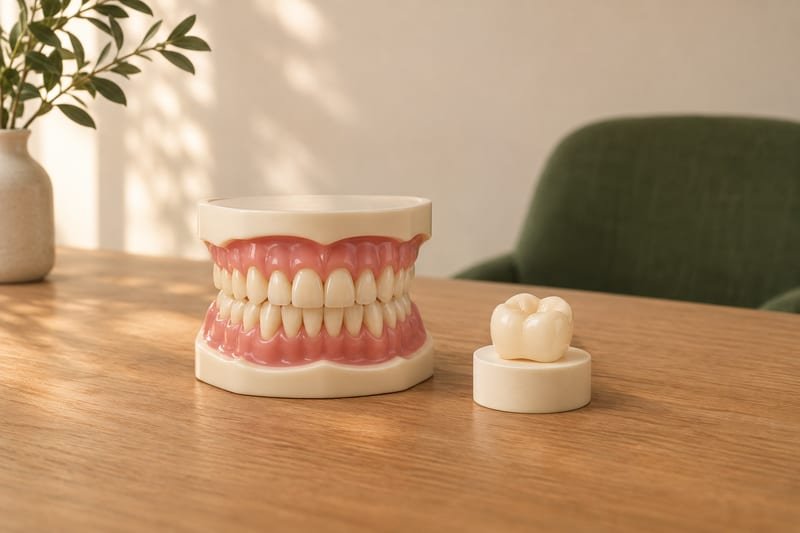
Repair and replacement address different needs.
- Fillings repair cavities or damage; crowns cover a tooth that is usually shaped first.
- A bridge is fixed in the mouth; dentures are removable.
- Infection inside a tooth may call for root canal treatment, followed by a filling or crown.
Choices and Ongoing Care
Options depend on the assessment and whether a tooth can be restored.
- Discuss suitability, alternatives or referral when an option is unsuitable.
- Compare cleaning, follow-up, repair and replacement needs. Do not assume a lifetime result.
Questions to Ask a Dentist
- Why is repair or replacement being recommended in my case?
- How will the option affect neighbouring teeth and daily cleaning?
- What visits, follow-up and future maintenance should I plan for?
Questions About Dental Care
What is the difference between a filling and a crown?
A filling repairs a damaged area of a tooth. A crown covers a prepared tooth. The choice depends on the tooth’s condition and the dentist’s assessment. Ask why an option is recommended and what alternatives are suitable.
Does everyone need a check-up every six months?
No. The timing should reflect your oral health and risk of future problems. Ask why a particular interval is recommended, and contact a dentist if a new problem develops between routine visits.
Is professional cleaning the same as whitening?
No. Scaling removes plaque and tartar; polishing may remove surface stains. Whitening changes the colour of natural teeth using bleaching agents. Ask which concern is being addressed and whether treatment is suitable.
Is a bridge the same as a denture?
No. A bridge is fixed in the mouth; a denture is removable. Both may replace missing teeth, but their suitability and care requirements need discussion with a dentist.
What should I compare before agreeing to care?
A useful comparison covers what each option aims to achieve, its benefits and risks, alternatives and ongoing care. A written, itemised estimate makes treatment and likely follow-up costs easier to compare. The choice depends on your assessment and preferences.
Prepare for Your First Visit
Our first-visit guide covers practical preparation, what an assessment may involve and how to understand the next steps.
Read the first-visit guide